Weight, metabolic health, fertility and pregnancy are closely linked. Improving health before pregnancy, before IVF, during pregnancy and between pregnancies can significantly improve outcomes for both mother and baby.
Obesity is not a personal failure. It is a chronic, complex medical condition influenced by hormones, metabolism, genetics, sleep, stress, mental health and environment.

Why Does Weight Matter in Pregnancy?
Obesity during pregnancy can affect both the mother and baby. It increases the risk of complications during pregnancy, birth and later life for both generations.
Key Impact Overview
Proactive weight optimisation and metabolic health management significantly reduce high-risk complications for both mother and child across all stages of pregnancy.
Potential risks for mothers
- • Gestational diabetes
- • High blood pressure
- • Pre-eclampsia
- • Caesarean section
- • Blood clots
- • Sleep apnoea
Potential risks for babies
- • Higher birth weight, or macrosomia
- • Birth complications
- • Low blood sugar after birth
- • Increased risk of childhood obesity
- • Future risk of diabetes and metabolic disease
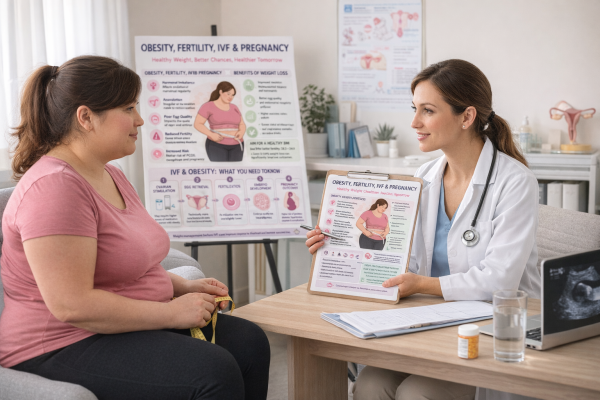
Obesity Is a Medical Condition — Not a Personal Failure
Obesity is a chronic and multifactorial medical condition. It can be influenced by genetics, hormones, metabolism, sleep, stress, mental health, environment and lifestyle.
Many women experience stigma or judgement regarding weight, fertility or pregnancy. Treatment should focus on health optimisation, safety and long-term support.
Fertility, IVF & Weight
How Weight Affects Fertility
Excess weight can reduce fertility in both natural conception and assisted reproduction.
- • Irregular ovulation
- • Reduced fertility
- • Higher miscarriage rates
- • Hormonal imbalance
Even modest weight loss of 5–10% of body weight may help restore ovulation, improve menstrual regularity, increase fertility and improve pregnancy outcomes.
PCOS, Weight & Fertility
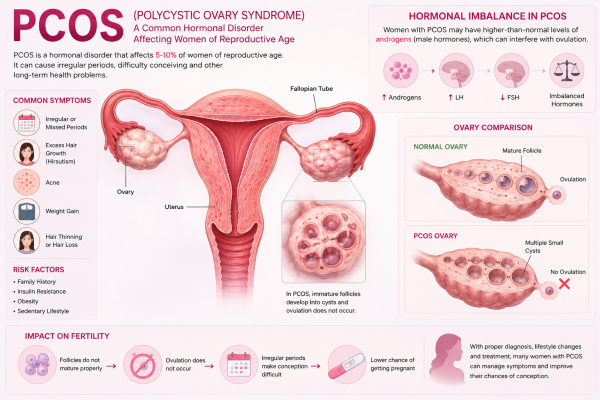
Polycystic ovarian syndrome, or PCOS, is closely linked with obesity and insulin resistance.
- • Irregular periods
- • Difficulty conceiving
- • Increased miscarriage risk
- • Insulin resistance
- • Weight gain
Weight management and metabolic health optimisation may improve ovulation, hormonal balance, fertility and pregnancy outcomes.
IVF & Assisted Reproduction
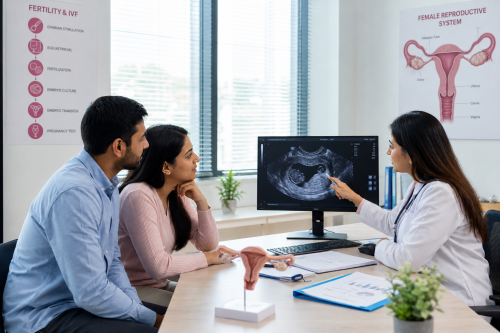
Obesity may reduce the success rates of IVF, ovulation induction and fertility treatment.
Women living with obesity may require higher medication doses, more IVF cycles and longer treatment duration.
Improving metabolic health before IVF may improve outcomes for both mother and baby.
Before Pregnancy
Safe Weight Management Before Pregnancy
A healthy pre-pregnancy plan may include nutritional support, physical activity, sleep optimisation, stress management, smoking cessation, medication review and folic acid supplementation.
For some women, bariatric surgery may be considered. Pregnancy is usually not recommended for 12–18 months after bariatric surgery, while weight stabilises and nutritional health is optimised.


Pregnancy After Bariatric Surgery
Many women experience improved fertility and safer pregnancies after bariatric surgery. However, pregnancy requires careful planning and follow-up.
- • Delay pregnancy for 12–18 months where possible
- • Nutritional monitoring
- • Vitamin supplementation
- • Specialist antenatal care (Follow-up with bariatric team, GP, obstetrician and dietitian)
Injectable Weight Loss Medications & Pregnancy
Injectable weight loss medications such as Ozempic®, Wegovy® and Mounjaro® are increasingly used for obesity management. However, they are not currently considered safe during pregnancy.
If pregnancy occurs unexpectedly while taking these medications, stop the medication and contact your GP, obstetrician, fertility specialist or surgeon promptly.
When should these medications be stopped?
- • Stop injectable weight loss medications at least 2 months before trying to conceive
- • Use reliable contraception while taking them
- • Discuss pregnancy planning with your doctor before stopping treatment
During Pregnancy
Current guidelines suggest women with obesity gain approximately 5–9 kg during pregnancy. However, every woman is different.
Starting BMI, diabetes risk, blood pressure, previous pregnancy complications and overall metabolic health may influence what is appropriate.
Healthy Lifestyle During Pregnancy
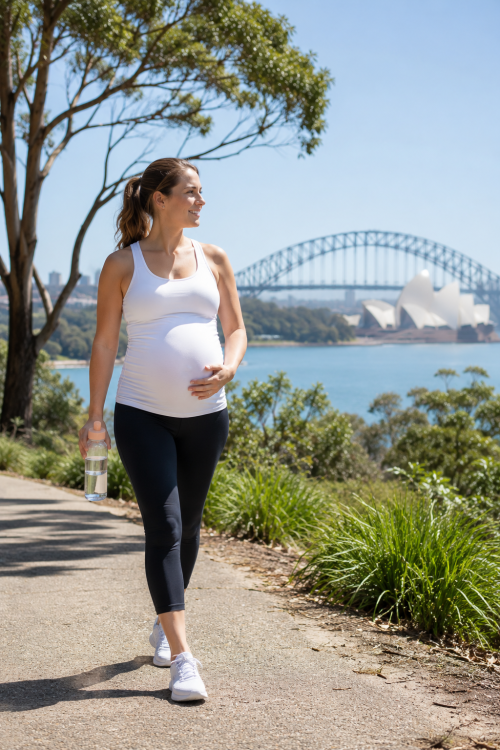
The safest and most effective management includes healthy eating, nutritional counselling, moderate exercise, monitoring weight gain, screening for gestational diabetes and regular antenatal care.
Exercise is safe in most uncomplicated pregnancies and may reduce the risk of gestational diabetes.
After Pregnancy
Weight retained after pregnancy can increase the risk of type 2 diabetes, heart disease and future pregnancy complications.
Good postpartum care may include weight management support, breastfeeding support, safe contraception advice and planning future pregnancies safely.
A Team Approach
Managing obesity, fertility, IVF and pregnancy works best with a multidisciplinary team, which may include obstetricians, fertility specialists, bariatric surgeons, dietitians, endocrinologists, physiotherapists, midwives and anaesthetists.
Key Takeaways
Frequently Asked Questions
Can weight loss improve fertility? expand_more
Yes. Even modest weight loss of 5–10% may improve ovulation, menstrual regularity and fertility in some women.
Can I use Ozempic, Wegovy or Mounjaro while trying to conceive? expand_more
These medications are not currently recommended during pregnancy. They should generally be stopped at least 2 months before trying to conceive.
Is pregnancy safe after bariatric surgery? expand_more
Many women have successful pregnancies after bariatric surgery. Pregnancy is usually delayed for 12–18 months after surgery, and nutritional monitoring is important.
Can I exercise during pregnancy? expand_more
Moderate exercise is safe in most uncomplicated pregnancies. Speak with your obstetrician or pregnancy care team about what is appropriate for you.
Should I lose weight before IVF? expand_more
For many women, improving metabolic health before IVF may improve fertility treatment outcomes and reduce pregnancy risks.
Considering pregnancy, IVF or pregnancy after bariatric surgery?
Mr George Kalogeropoulos can provide specialist advice regarding obesity management, bariatric surgery, fertility planning, pregnancy after bariatric surgery and injectable weight loss medications.