
Gallstones & Bile Duct Care
Gallstones are common and often treatable. When you do need an operation, what matters most is having a surgeon who can manage the full pathway—from diagnosis to surgery to bile duct clearance—without delays or repeated procedures.
Key Benefits
- style Same-episode complete care
- medical_services Advanced ERCP expertise
- verified Lower risk of repeat procedures
If you have severe abdominal pain lasting more than 6 hours, fever, chills, yellowing of the skin or eyes (jaundice), dark urine, or persistent vomiting—seek urgent medical attention immediately.
Understanding Gallstones
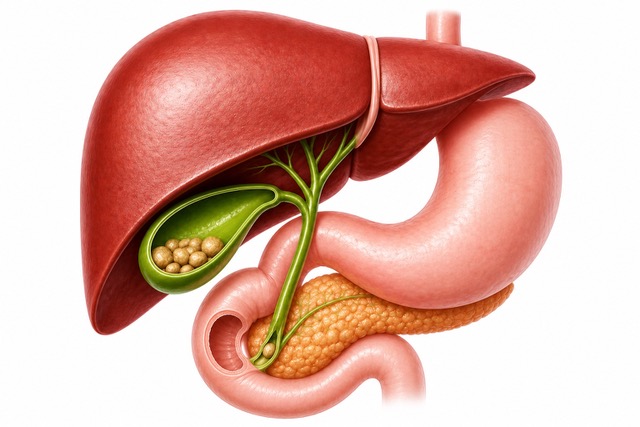
Gallstones are hardened deposits that form in the gallbladder. They can be silent (no symptoms) or cause intermittent pain when they temporarily block the outlet of the gallbladder.
Common Symptoms
- • Right upper abdominal pain (often after meals)
- • Pain radiating to the back or right shoulder
- • Nausea or vomiting
- • Bloating or indigestion
Diagnosis Methods
- • Ultrasound: Most common initial diagnostic test
- • Blood Tests: Checks for infection, inflammation, or jaundice
- • MRI / CT Scans: Used when bile duct involvement is suspected
Possible Complications
- • Acute Cholecystitis: Inflamed/infected gallbladder
- • Pancreatitis: Inflammation of the pancreas
- • Jaundice: Bile duct obstruction
- • Cholangitis: Serious infection of the bile ducts
Treatment Pathways
Observation
If stones are found incidentally and you have no symptoms, active treatment may not be required.
Medical Management
Pain control and dietary adjustments help manage temporary symptoms, but do not dissolve or remove stones.
Laparoscopic Cholecystectomy (Keyhole Surgery)
The standard, most effective and definitive treatment for symptomatic gallstones.
Bile Duct Assessment & Clearance
If stones migrate into the main bile duct, they must be removed to prevent jaundice, severe infection, and pancreatitis.
lightbulb What patients often don’t realise
Gallbladder surgery is common, but the essential question is: Who can safely manage rare complications? Unexpected bile duct stones or strictures can occur during or after surgery. Having the capability to diagnose and clear the duct promptly reduces risk and avoids repeated hospitalizations.
Keyhole Gallbladder Surgery: What to Expect
timer Recovery Timeline
Typical recovery benchmarks following laparoscopic cholecystectomy:
When Duct Treatment is Needed
- • Pain radiating to back or shoulder
- • Right upper abdominal pain after meals
- • Nausea, vomiting, or indigestion
movie Procedure Overview
ERCP: Specialised Bile Duct Procedure
ERCP is a highly specialised endoscopic procedure used to clear bile duct stones and treat strictures. It is not performed by most general gallbladder surgeons.
Why Choose Dr. George Kalogeropoulos?
Dr. George’s background in liver, pancreas and biliary surgery means he manages the entire spectrum of gallstone disease—from routine keyhole cases to complex, unexpected bile duct stones or strictures.
He frequently receives complex gallstone and bile duct referrals from Geelong and across Western Victoria due to his advanced biliary skillset and ERCP capability. Choosing a surgeon who can treat both the gallbladder and bile duct in the same episode provides a single anaesthetic, quicker recovery, and the safest route to definitive care.
Trusted for Complex Referrals
Patients across Geelong & Western Victoria are referred for comprehensive care so the entire treatment pathway is managed seamlessly in one place.
A Practical Rule of Thumb
Before gallbladder surgery, ask: “If a bile duct stone is found, can you clear it—promptly and safely?” Choosing a surgeon with complete biliary capabilities protects you from unnecessary risks.
Frequently Asked Questions
Need an Expert Opinion?
If you are experiencing gallstone symptoms, recurrent pain attacks, jaundice, or pancreatitis, arrange an expert surgical review for safe, definitive treatment.
calendar_month Book a Consultation