Integrated Anti-Obesity Therapy
Modern obesity treatment increasingly combines bariatric surgery with newer injectable anti-obesity medicines such as Wegovy® / Ozempic® (semaglutide) and Mounjaro® (tirzepatide).
These medicines reduce appetite, improve satiety, slow gastric emptying and improve blood sugar control. They may be used before bariatric surgery to improve surgical preparation, and after surgery to help manage weight regain, inadequate weight loss or recurrence of metabolic disease.
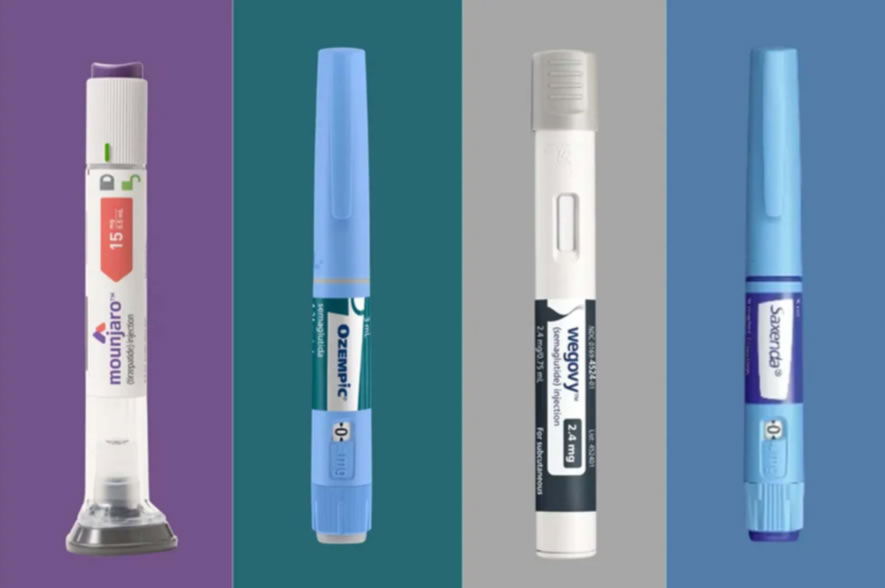
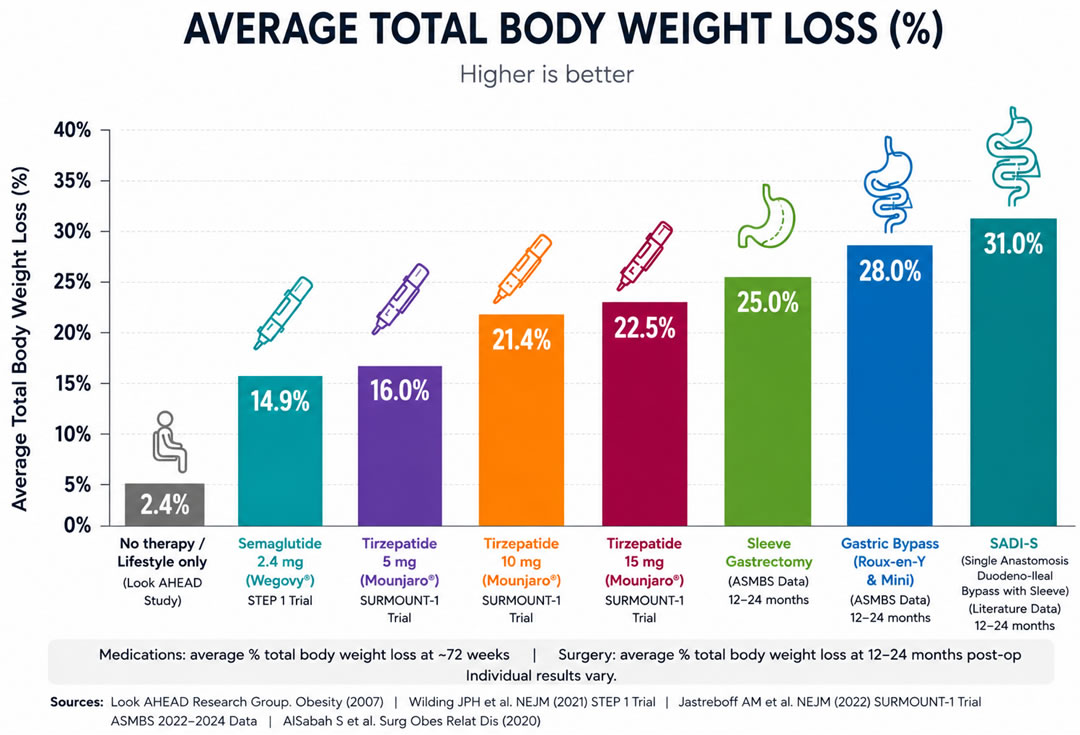
Figure 1. Average total body weight loss with no therapy / lifestyle only, semaglutide, tirzepatide and common bariatric procedures. Surgery outcomes vary by patient selection, operation type, follow-up duration and adherence to long-term care.
How Effective Are They?
The comparative data highlights typical average total body weight loss reported across major clinical trials alongside established bariatric surgery outcomes.
Note on comparisons: Medication and surgical data are sourced from trial cohorts rather than direct head-to-head trials and should be interpreted as approximate benchmarks.
Use Before Bariatric Surgery
In selected patients, injectable medications may be used prior to surgery to reduce operative risk and optimize metabolic control:
- check_circle Shrink liver fat and liver size for improved laparoscopic exposure
- check_circle Reduce intra-abdominal fat and technical complexity
- check_circle Improve diabetes control, blood pressure, and sleep apnea
- check_circle Enhance physical mobility and conditioning prior to procedure
Use After Bariatric Surgery
Injectable medications can be highly effective post-surgery. Combining GLP-1/GIP therapies with altered post-surgical anatomy creates a powerful synergistic response for:
- check_circle Managing post-surgical weight regain
- check_circle Addressing inadequate initial weight loss
- check_circle Managing recurrence of diabetes or metabolic risk factors
- check_circle Suppressing heightened hunger, appetite, or cravings
What Happens When Medication is Stopped?
Obesity is a chronic, relapsing metabolic disease. Clinical trials consistently show that stopping GLP-1 or GIP therapy typically results in significant weight regain without ongoing intervention.
| Medication Stopped | Clinical Trial | Key Findings |
|---|---|---|
| Wegovy® / semaglutide 2.4mg | STEP 1 Extension | 17.3% avg loss at treatment end; 11.6 percentage points regained over 52 weeks post-cessation. |
| Mounjaro® / tirzepatide | SURMOUNT-4 | 20.9% avg loss at 36 weeks; participants switched to placebo regained 14.0% body weight over 52 weeks. |
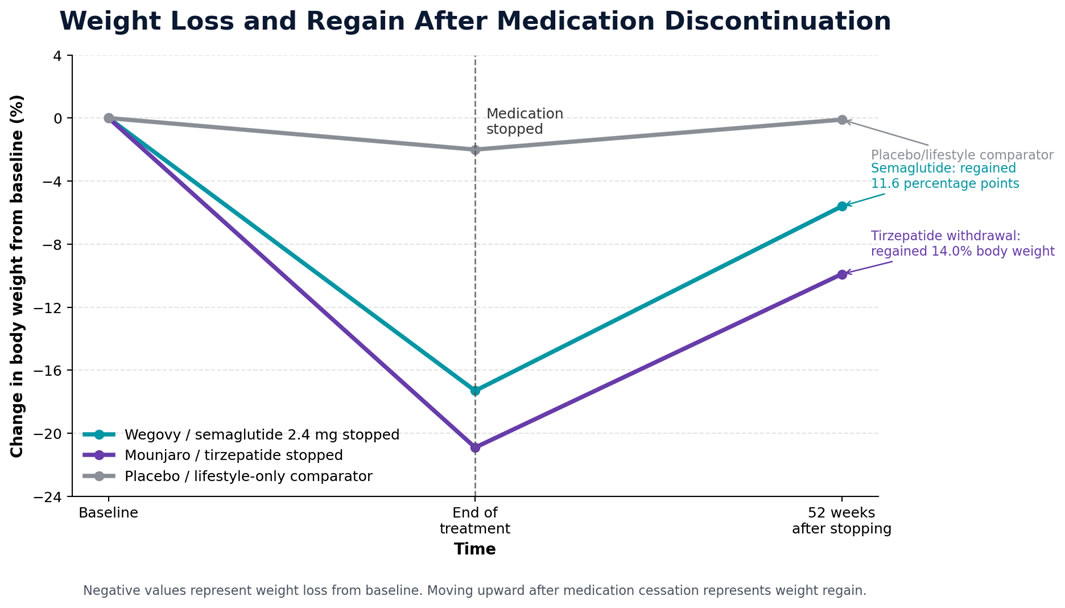
Figure 2. Weight loss and regain trajectory following discontinuation (STEP 1 & SURMOUNT-4 data).
Cost Considerations
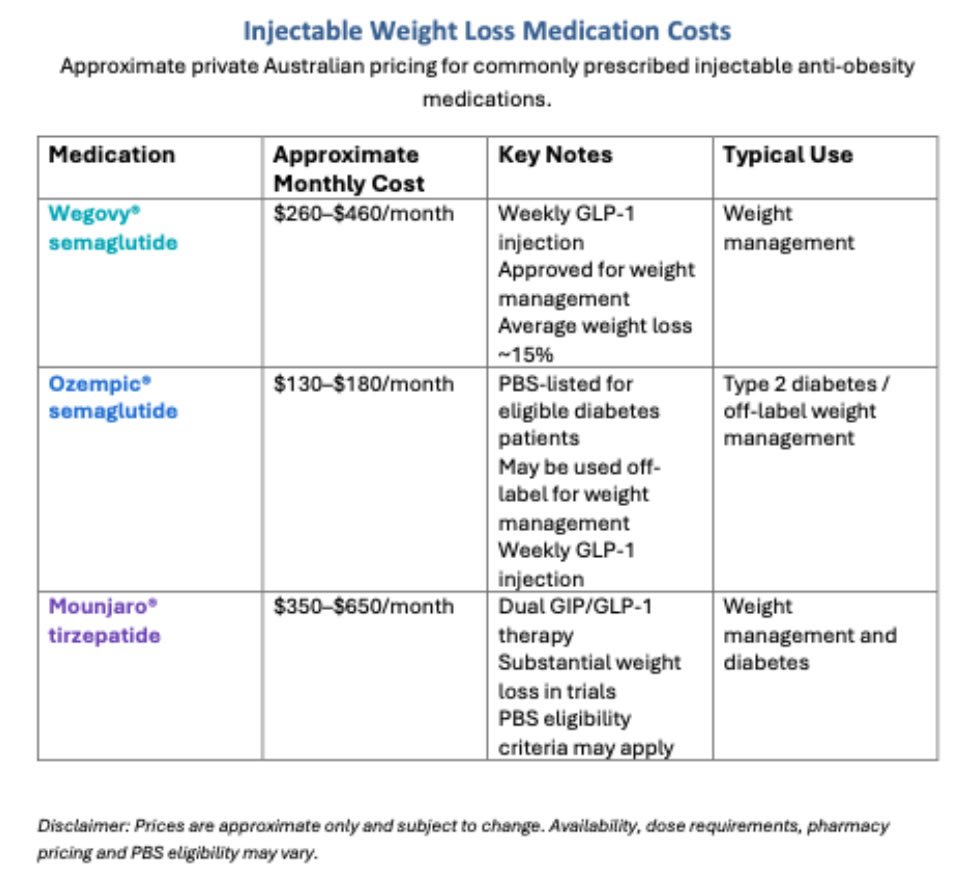
Injectable medications represent a continuous financial investment, and long-term maintenance therapy is frequently required. Expenses vary depending on required dosage, pharmacy pricing, supply availability, PBS eligibility, and private health cover.
Surgical vs. Pharmacological Sustainability
For most patients, bariatric surgery offers a more durable and cost-effective long-term solution. Injectable medications serve best when integrated strategically—before surgery, after surgery, or as part of a personalized combined pathway.
Risks and Side Effects
Common side effects include mild-to-moderate gastrointestinal symptoms such as nausea, vomiting, reflux, constipation, diarrhea, abdominal discomfort, fatigue, and reduced appetite.
Less common but significant risks include gallstone formation, dehydration, acute kidney injury, delayed gastric emptying, exacerbated reflux, and pancreatitis.
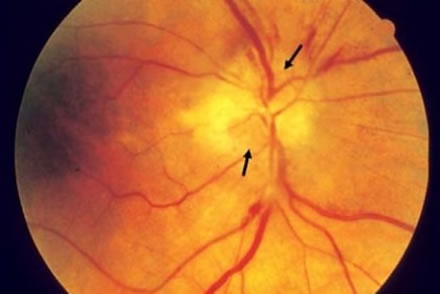
International regulatory agencies have highlighted reports of sudden, irreversible visual changes linked to rare optic nerve complications, such as Non-Arteritic Anterior Ischemic Optic Neuropathy (NAION).
⚠️ Any sudden changes in vision require immediate medical evaluation.

Important Considerations Around Surgery
Because GLP-1/GIP medications delay gastric emptying, pre-operative timing prior to anesthesia must be coordinated with Dr. George. Discussions will also cover diabetes dosage adjustments, hydration protocols, nutritional support, pregnancy considerations, and the exact timing for restarting therapy post-surgery.
Comprehensive Multidisciplinary Care
Modern obesity management yields the best outcomes when combining nutrition, lifestyle therapy, injectable medications, and bariatric surgery. Consult with Dr. George and our multidisciplinary bariatric team to design your personalized treatment plan.
calendar_month Book a consultation